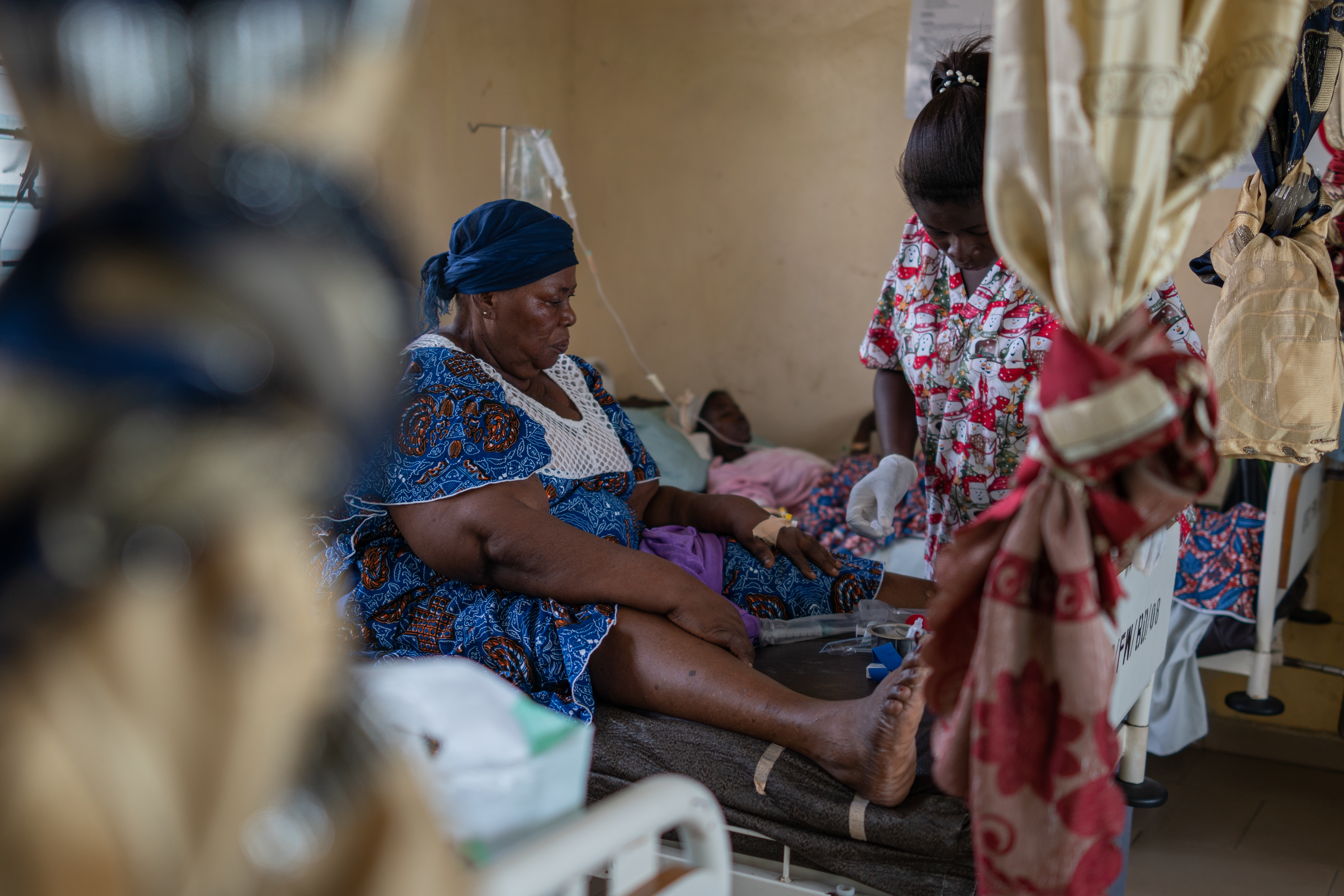
For many years, traditional medicine has received limited consideration from medical experts demanding more scientific evidence. However, a growing number of African countries are demonstrating a renewed interest in this ancient art of healing. Traditional medicine backed with scientific methods, tools and guidelines can make a significant contribution to better access to medicines and achieving universal health coverage in Africa.
Traditional medicines play a vital health care role in many African communities. Accessibility, availability, affordability, cultural acceptance as well as spiritual, religious and sociological values make them a preferred option for many people over conventional therapy. There are significantly higher number of patients seeking traditional remedies compared with conventional treatment. In Ghana, where some 70% of patients use herbal medicine. The country’s Centre for Scientific Research into Plant Medicine, researches and develops traditional medicines and has collaborated with traditional health practitioners since 1975.
Herbal medicines using various parts of plants constitute about 80% of traditional medicines. However, in some traditions, water, oils, minerals and animal parts are used alone or combined with plant parts as recipes for treating various diseases.
The use of quality-assured traditional medicine can make it easier to provide health care, especially in remote rural areas where conventional health care systems are limited. Quality-assured traditional medicine can benefit a large portion of the population as it is the main or even the only source of health care for around 80% of people in Africa.
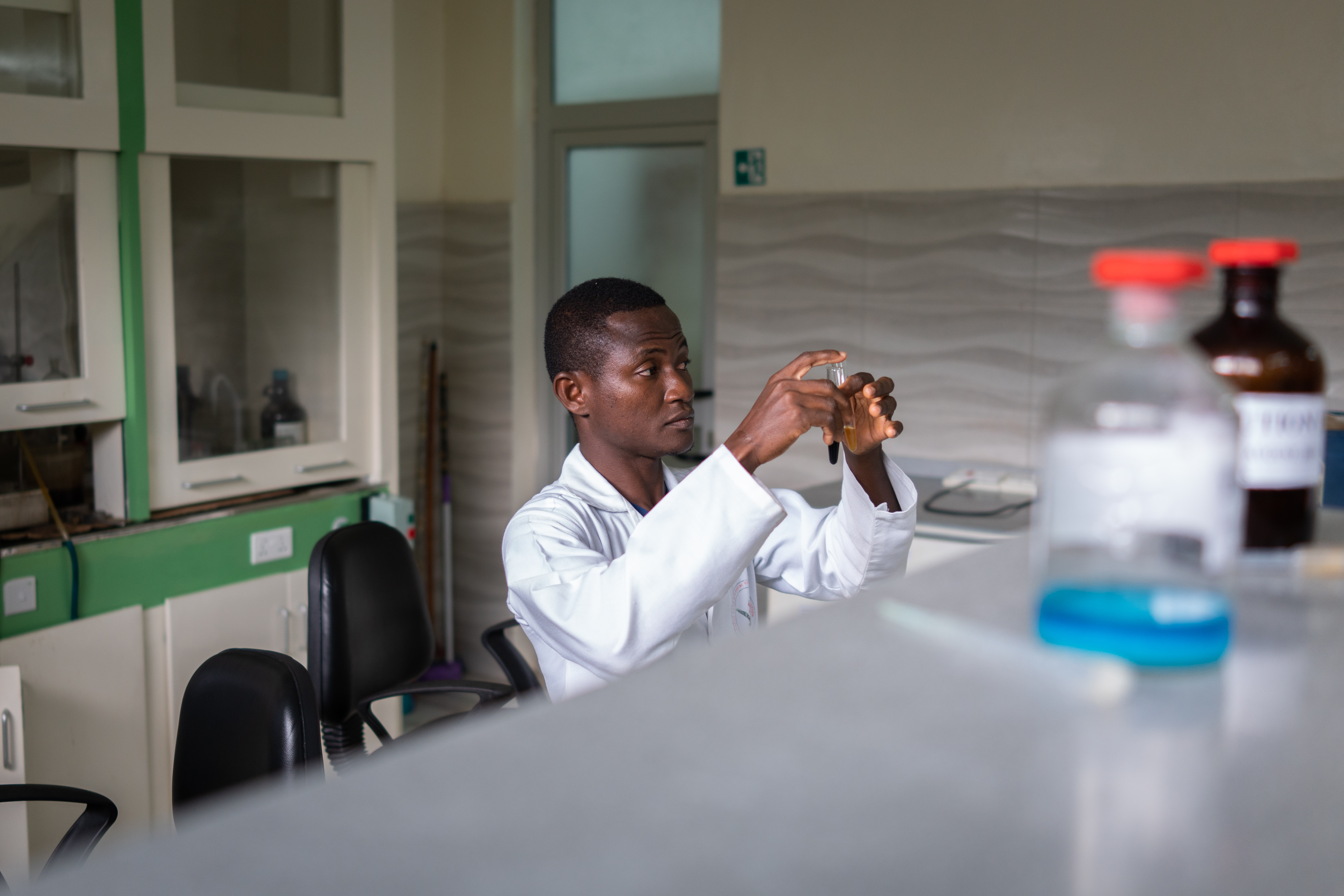
The World Health Organization has developed technical tools and guidelines to help African countries make traditional medicine an integral part of their health systems. These resources facilitate the scientific validation of the safety, efficacy and quality of herbal medicine products used in Africa.
A growing number of African States are taking steps to integrate traditional medicine into their national health systems. Some 40 countries have adopted national policies and legal frameworks for traditional health care practice, serving as guides for action to ensure access to quality traditional medicine products.